FrameMaker Knowledge Hub
• 22 Apr 2026
• 5 views
An in-depth article on homesickness, transition stress, emotional adjustment, and building independence during the university journey.
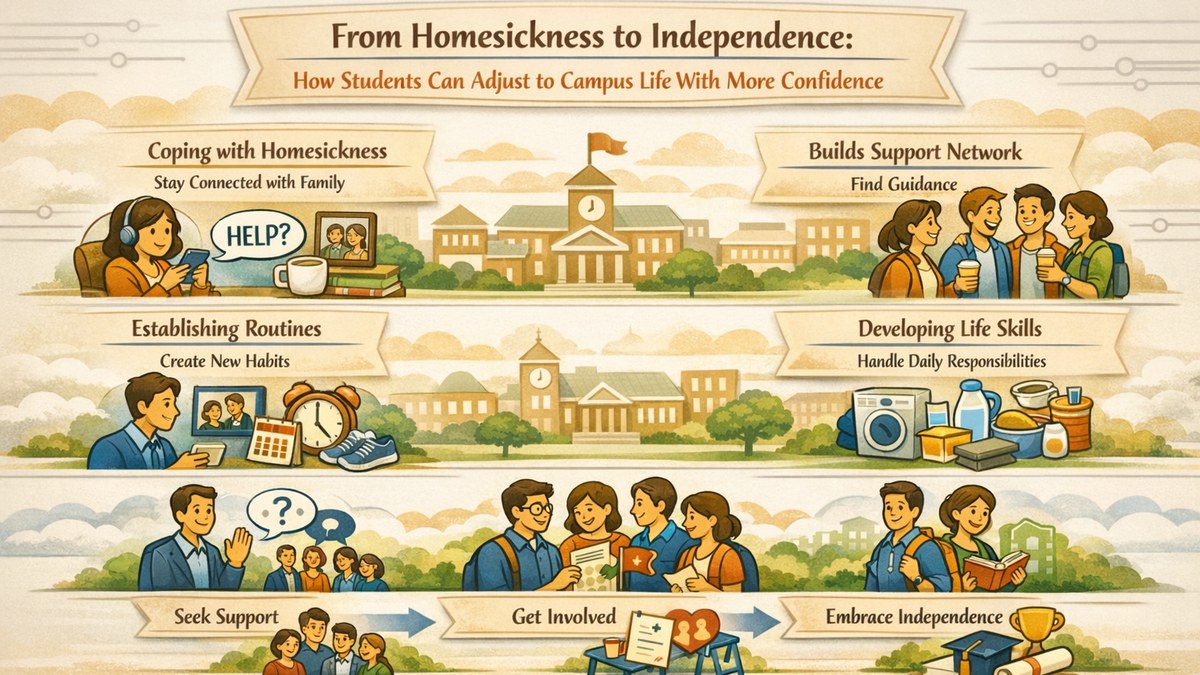
From Homesickness to Independence: How Students Can Adjust to Campus Life With More Confidence
For many students, entering university is the first major transition into independent life. The move may involve leaving home, living in a hostel, traveling long distances daily, handling money more carefully, making decisions without constant family guidance, and adapting to a campus environment that feels unfamiliar and demanding. This shift is often described as exciting, and it can be, but it is also emotionally complex.
Homesickness, uncertainty, and transition stress are deeply normal parts of student life. Yet many students hide these emotions because they fear appearing weak, immature, or “not ready” for college. This silence makes adjustment harder. Students begin to believe that everyone else is coping well while they alone are struggling. In reality, many students experience a difficult emotional transition before they begin to feel settled.
Adjustment to campus life is not only about learning new academic systems. It is about building emotional steadiness in a new environment. The move from dependence to independence is not instant. It is gradual, uneven, and deeply human.
What Homesickness Really Means
Homesickness is often misunderstood as simple sadness about being away from home. In practice, it can include many things: missing familiar routines, feeling emotionally unanchored, struggling with food or sleep changes, missing family conversations, feeling socially out of place, or losing the quiet confidence that comes from being in an environment where one already belongs.
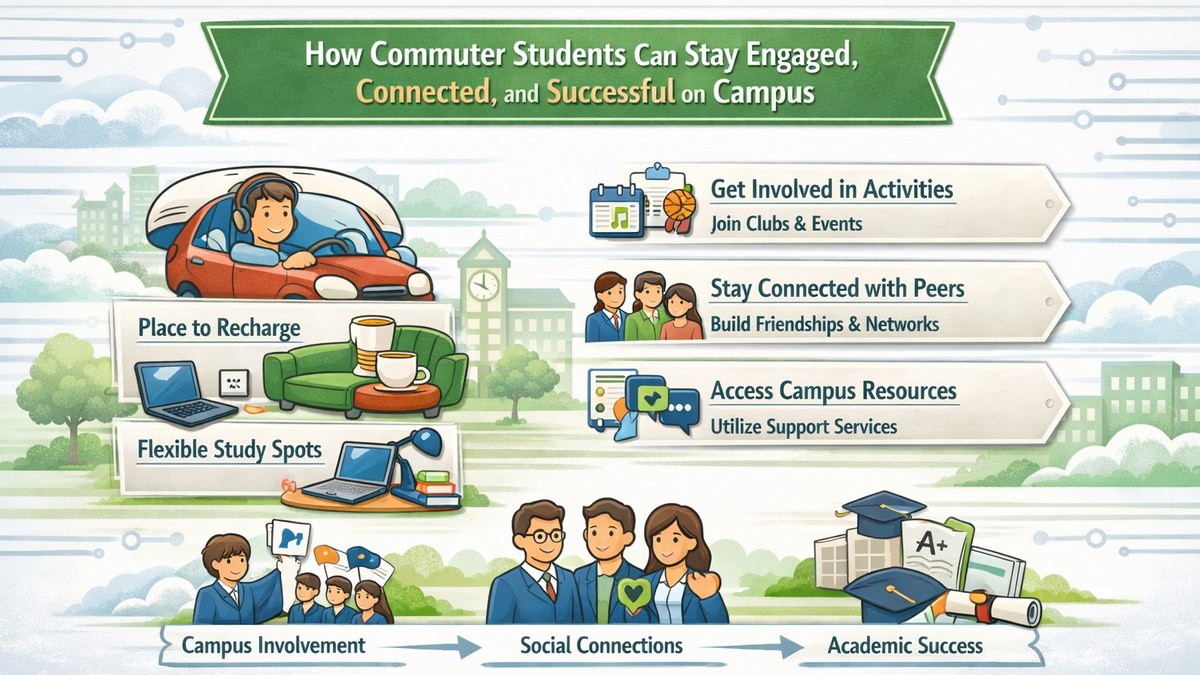
Some students experience homesickness intensely in the first few weeks. Others feel it later, after the novelty of college fades. Some students who commute rather than relocate may not feel classic homesickness, but still experience transition stress because campus life feels unfamiliar and emotionally demanding.
Why Adjustment Takes Time
Students often pressure themselves to settle quickly. They assume that once classes start, confidence should automatically follow. But adjustment usually involves multiple parallel transitions:
- academic expectations become more demanding,
- daily routines change,
- social circles are uncertain,
- financial awareness increases,
- personal responsibility grows, and
- support from home becomes less immediate.
Each of these changes requires mental energy. When they arrive together, even capable students can feel overwhelmed.
How Students Can Adjust More Smoothly
1. Build small routines early
Routine creates emotional stability. Regular sleep, meal timing, class attendance, laundry schedules, study blocks, and weekly calls home can reduce the feeling of chaos that often accompanies transition.
2. Stay connected to home without depending on it for every moment
Contact with family can be grounding, but constant emotional reliance can make campus adjustment harder. Students benefit from balancing home connection with gradual investment in their present environment.
3. Make the environment more familiar
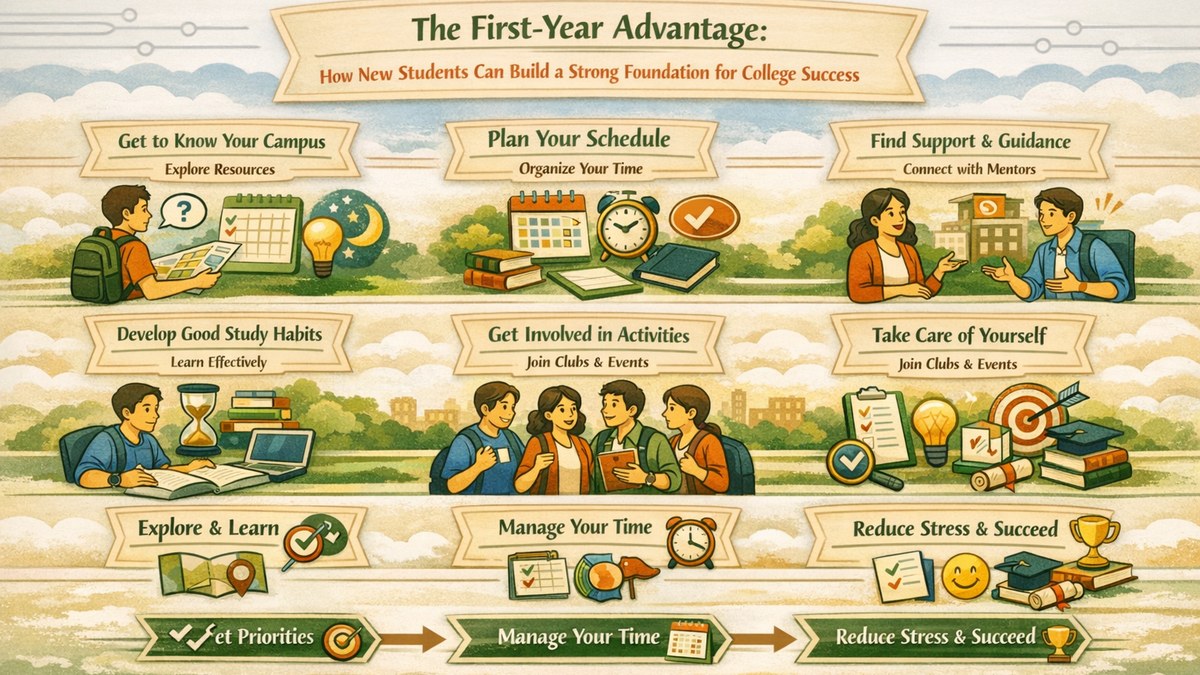
Knowing where to eat, study, rest, seek help, and spend free time reduces anxiety. Familiarity turns a campus from a confusing space into a manageable one.
4. Join one activity that creates local connection
Campus adjustment improves when students attach themselves to at least one small community. This could be a club, department activity, sports group, volunteering team, or peer mentoring network.
5. Accept that discomfort does not mean failure
Feeling lonely or unsettled does not mean a student made the wrong decision. It often means they are in the normal process of adaptation.
Independence Is Learned, Not Suddenly Acquired
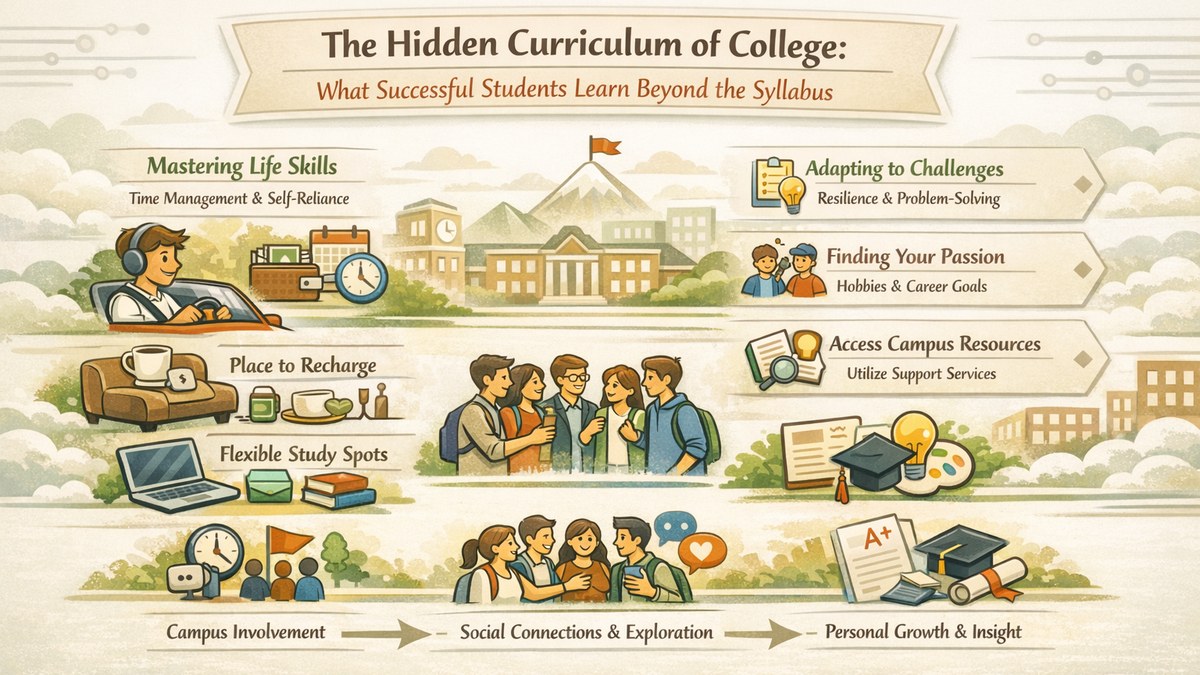
Students sometimes imagine independence as a personality trait: something one either has or does not have. In reality, independence is learned through repeated action. Managing small decisions, resolving minor problems, asking for help appropriately, planning time, navigating campus systems, and recovering from mistakes all contribute to personal maturity.
This matters because students may feel discouraged when ordinary tasks seem harder than expected. Cooking, budgeting, managing transport, maintaining focus, or handling a difficult week without family nearby can all feel surprisingly heavy at first. These experiences are not signs of inadequacy. They are part of growth.
When Students Should Seek Support
Adjustment difficulty is normal, but prolonged distress should not be ignored. Students should reach out when they notice persistent low mood, inability to focus, ongoing sleep disturbance, repeated class absence, social withdrawal, intense anxiety, or a growing inability to function in daily academic life.
Support may come from a mentor, faculty member, counselor, advisor, trusted senior, or family conversation. What matters is that students do not remain trapped in silent struggle.
What Families and Institutions Should Understand
Families sometimes assume that if a student has been admitted to college, the difficult part is over. In fact, transition is one of the most sensitive stages. Encouragement matters, but so does patience. Students benefit when families avoid interpreting early emotional difficulty as weakness or lack of discipline.
Institutions also have a duty to support transition. Better hostel orientation, clearer first-year communication, peer mentoring, accessible advising, inclusive activities, and visible wellbeing support can all reduce the emotional burden of adjustment.
Conclusion
Moving from homesickness to independence is one of the most important developmental journeys in university life. It is not always smooth, and it rarely happens all at once. Students may feel lost before they feel grounded. They may miss home while also growing into themselves. They may struggle at first and still become deeply successful later.
The key is to approach adjustment with realism and compassion. Independence is built through routine, support, participation, and time. When students understand this, campus life becomes less intimidating and more navigable. The result is not only better adjustment, but a stronger sense of self that continues far beyond university.
References
- NSSE. Sense of Belonging: Annual Results.
- OECD. Students' Well-being.
- JED Foundation. A Decade of Improving College Mental Health Systems.
- Maymon, R. et al. Supporting First-Year Students During the Transition to Postsecondary Education.
- APA. Student mental health is in crisis. Campuses are rethinking their approach.