Why Digital Credentials Work So Well for Conferences and Academic Events
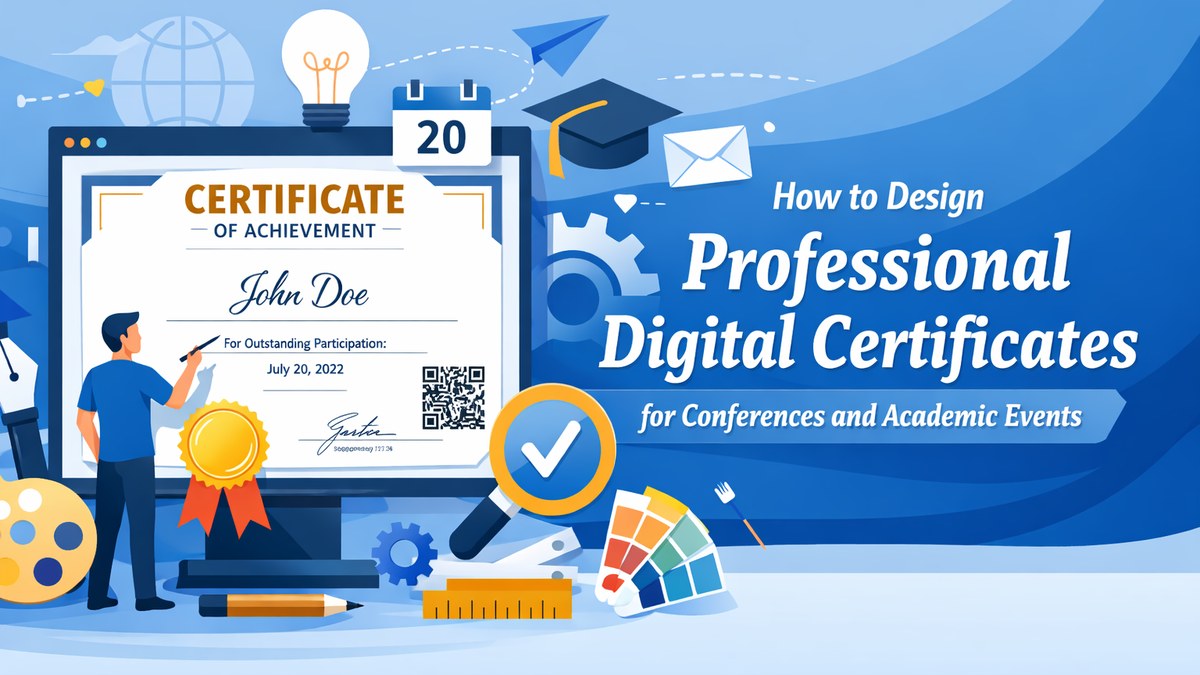
Conferences, symposiums, faculty development programs, workshops, seminars, webinars, and academic events often involve multiple participant groups, tight timelines, and high expectations for post-event documentation. In such environments, digital credentials offer a strong operational advantage.
They help institutions issue participation and achievement records more efficiently while also improving trust, branding, and long-term accessibility.
Why Conferences and Academic Events Need Better Credential Workflows
Academic and event environments often involve speakers, delegates, students, faculty members, organizers, moderators, volunteers, and special invitees. Managing certificates manually across these categories can become complicated quickly.
Digital credential systems simplify this by allowing structured, category-aware, and scalable certificate delivery.
Benefits for Conferences and Academic Events
1. Faster Post-Event Processing
Organizers can release certificates more quickly after the event rather than spending days handling files manually.
2. Better Handling of Multiple Categories
Different roles such as speaker, participant, volunteer, and organizer can be managed more consistently through template-based workflows.
3. Better Participant Experience
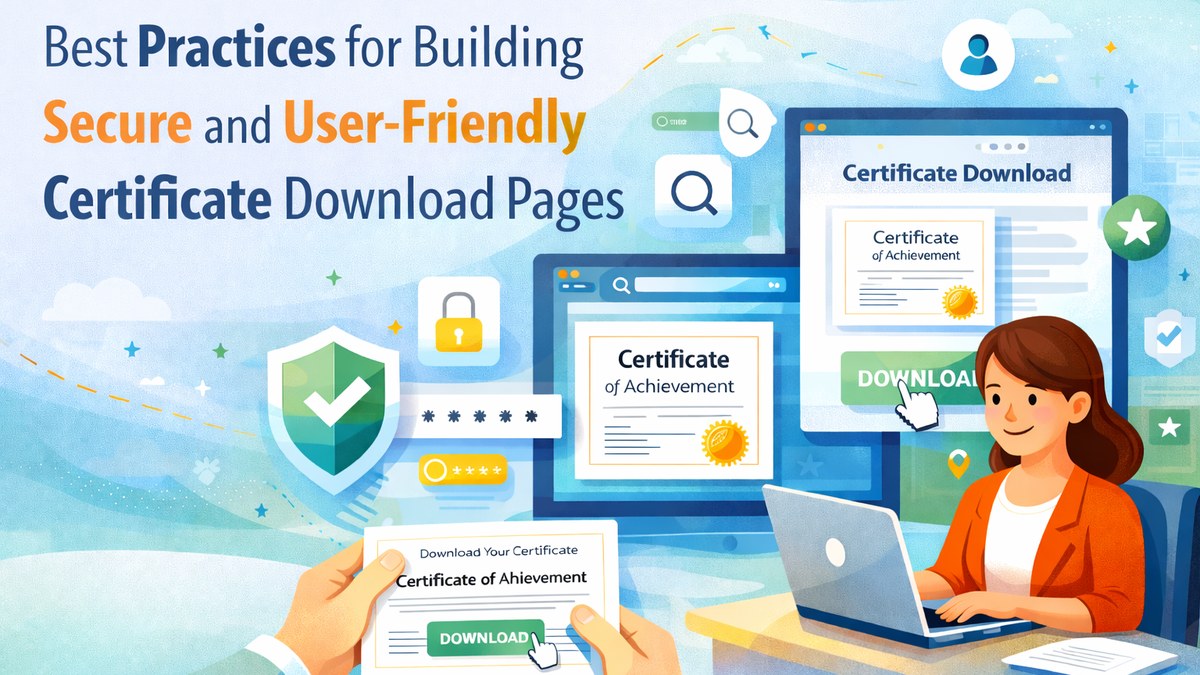
Recipients can access their credentials online in a more convenient and professional manner.
4. Stronger Event Branding
Certificates can reflect the identity of the institution or event more clearly through logos, titles, themed templates, and structured presentation.
5. Easier Verification
Digital credentials can support verification methods that are especially useful when certificates are shared for academic or professional purposes.
Why Academic Institutions Benefit Even More
Colleges, universities, and academic bodies often conduct repeated events throughout the year. A reusable digital credential system helps them avoid rebuilding the certificate process every time. Over the long term, this improves efficiency and consistency across departments and programs.
Digital Credentials as Part of Event Quality
Participants often remember not only the event content, but also how well the post-event process was handled. Timely and well-presented digital credentials improve the overall perception of the event and strengthen institutional professionalism.
Conclusion
Digital credentials are especially well suited for conferences and academic events because they support scale, structure, branding, and secure access. For institutions that want a more reliable and modern post-event workflow, digital credentials provide clear operational and reputational advantages.